Paris, March 24, 2025 — Qovoltis, a French SME specializing in smart charging solutions for electric vehicles, sheds light on the prices and economic profitability of the transition to electric mobility. The cost of recharging an electric vehicle to travel 100 km varies between €3 and €10.8 and the use of an electric vehicle allows an “energy” saving of €1200 on average per year compared to an internal combustion vehicle!
The new regulated electricity tariffs have come into force since 1Er February 2025. For an average consumption of 18 kWh per 100 km, The cost of a recharge to travel 100 km should be between €3.05 (off-peak hours) and €3.86 (full hours), thanks to the reduction of the regulated electricity tariff by an average of 15%. This reduction will allow households tosave between 69 and 165 euros annually, depending on the use of their electric vehicle.
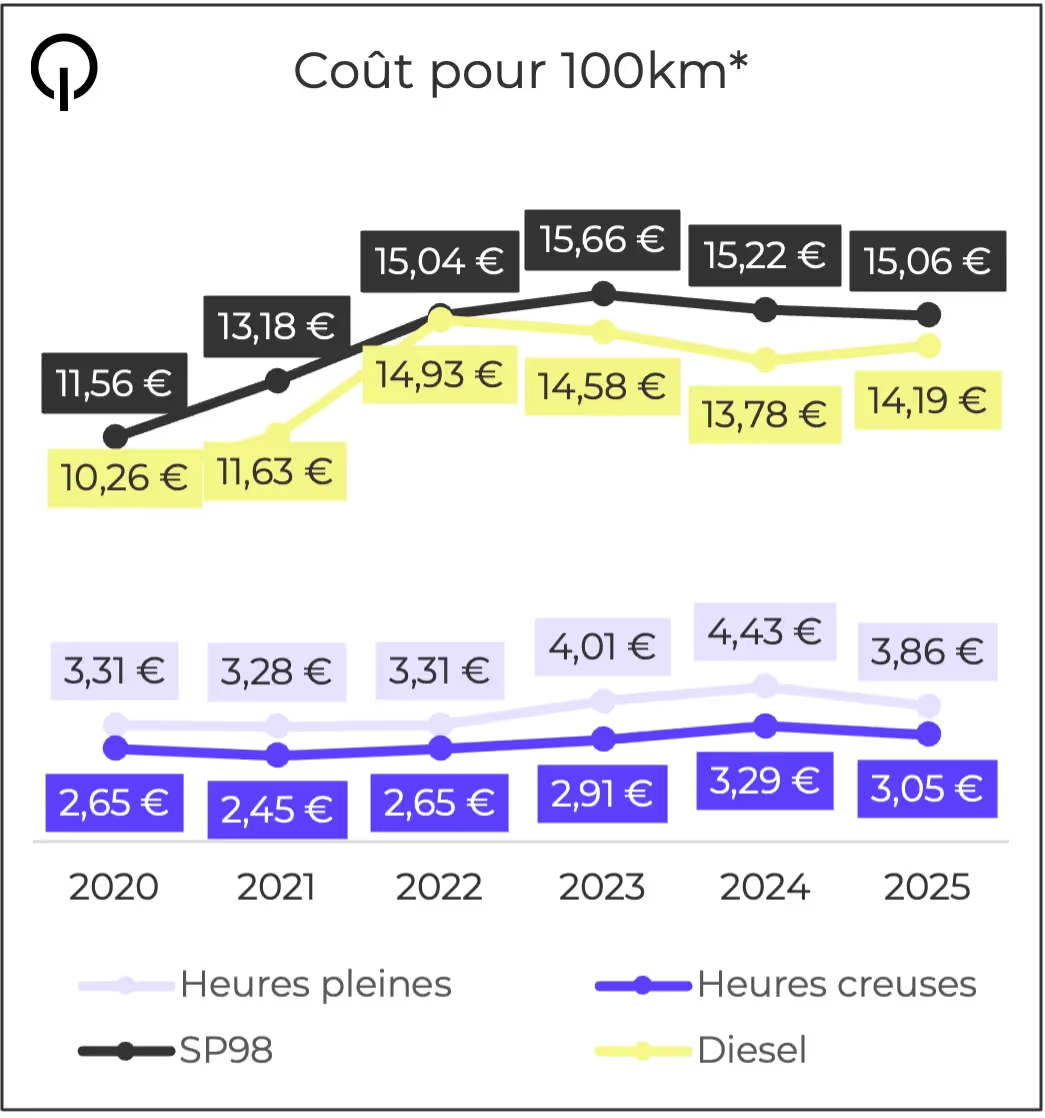
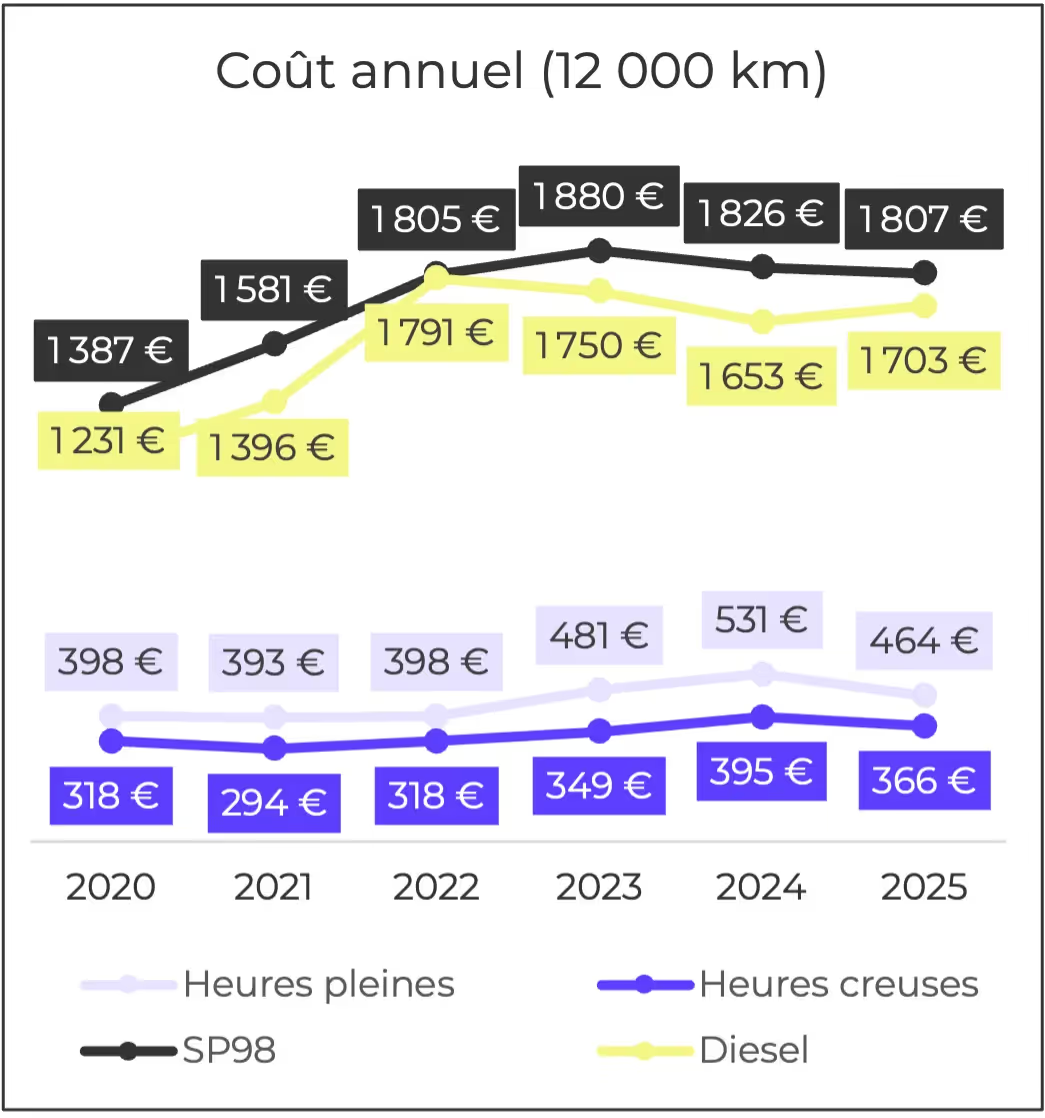
For a distance covered of 12,000 km per year, by switching from a combustion vehicle to an electric vehicle and by mostly charging your vehicle at home with an intelligent terminal (90% of its recharges), it is possible to Save an average of 1,200 euros per year.
Over 5 rolling years (from 2020 to 2025), choosing an electric vehicle (while maintaining an average consumption of 18 kWh/100) over an internal combustion vehicle can save €14,502 in energy costs.
The cost of charging to travel 100 km varies between €3.05 and €10.8
Charging price differences vary From simple to triple : charging at home using an intelligent charging solution that delays charging during off-peak hours (between 2 am and 6 am) costs €3 per 100 km, while the same recharge can cost more than €10.8 when carried out at a fast charging station on a highway. Of all the types of charging, home charging remains the most affordable.
*With an average charging cost estimated at €0.60 per kilowatt hour on the highway.
How to optimize the price and duration of charging?
The cost of using an electric vehicle (charging and maintenance) compared to its thermal equivalent remains economical. The price remains competitive compared to that of gasoline, the difference alone being able to compensate for the difference in its acquisition price compared to a gasoline version over the lifespan of the electric vehicle.
Although the price of the same fuel varies little from one service station to another, the price of electricity depends on many parameters:
- The Terminal power (the speed of recharging);
- its siting (public terminal on a highway, classic or intelligent individual terminal at home or at work or in a hotel);
- Thecharging operator, the recharge period (in the middle of the day or during the night), and;
- The duration of the connection at the terminal.
As of November 2025, the Commission for Energy Regulation (CRE) plans to partially shift off-peak hours to daylight hours, in particular between 11 a.m. and 5 p.m. This readjustment is based on better availability of solar electricity at these times. The objective is to encourage more efficient charging by exploiting surplus photovoltaic production rather than using power plants in periods of high demand. This new distribution will be implemented gradually until 2027, allowing consumers and businesses to adapt to this structural transformation.
————————————————————————
Press contacts
Philippe Vogel — 06 80 20 70 88 — p.vogel@agence-influences.fr
Hugo Pichot — 07 89 28 96 99 — h.pichot@agence-influences.fr